L-slot
A stepped recess along the slab edge.
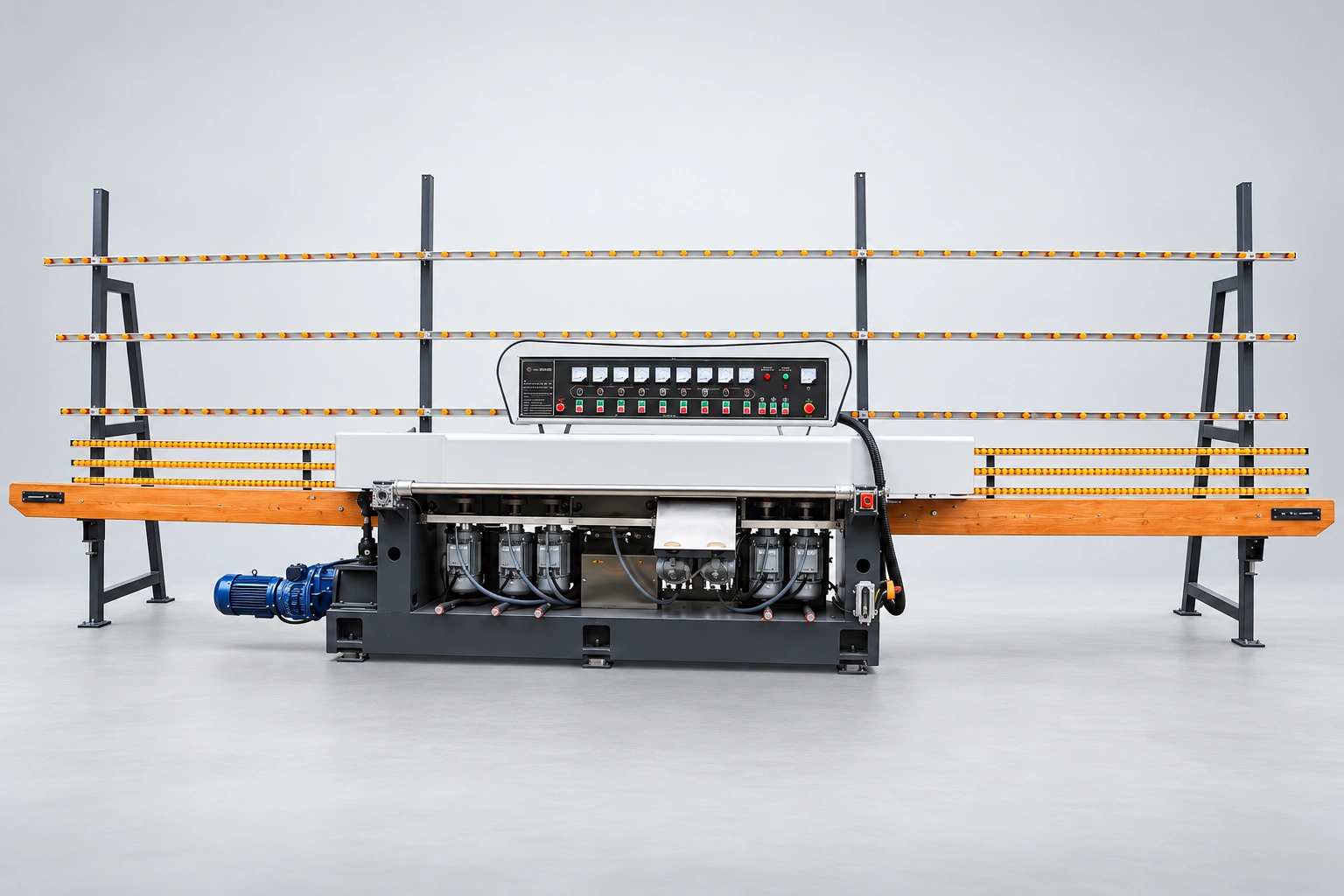
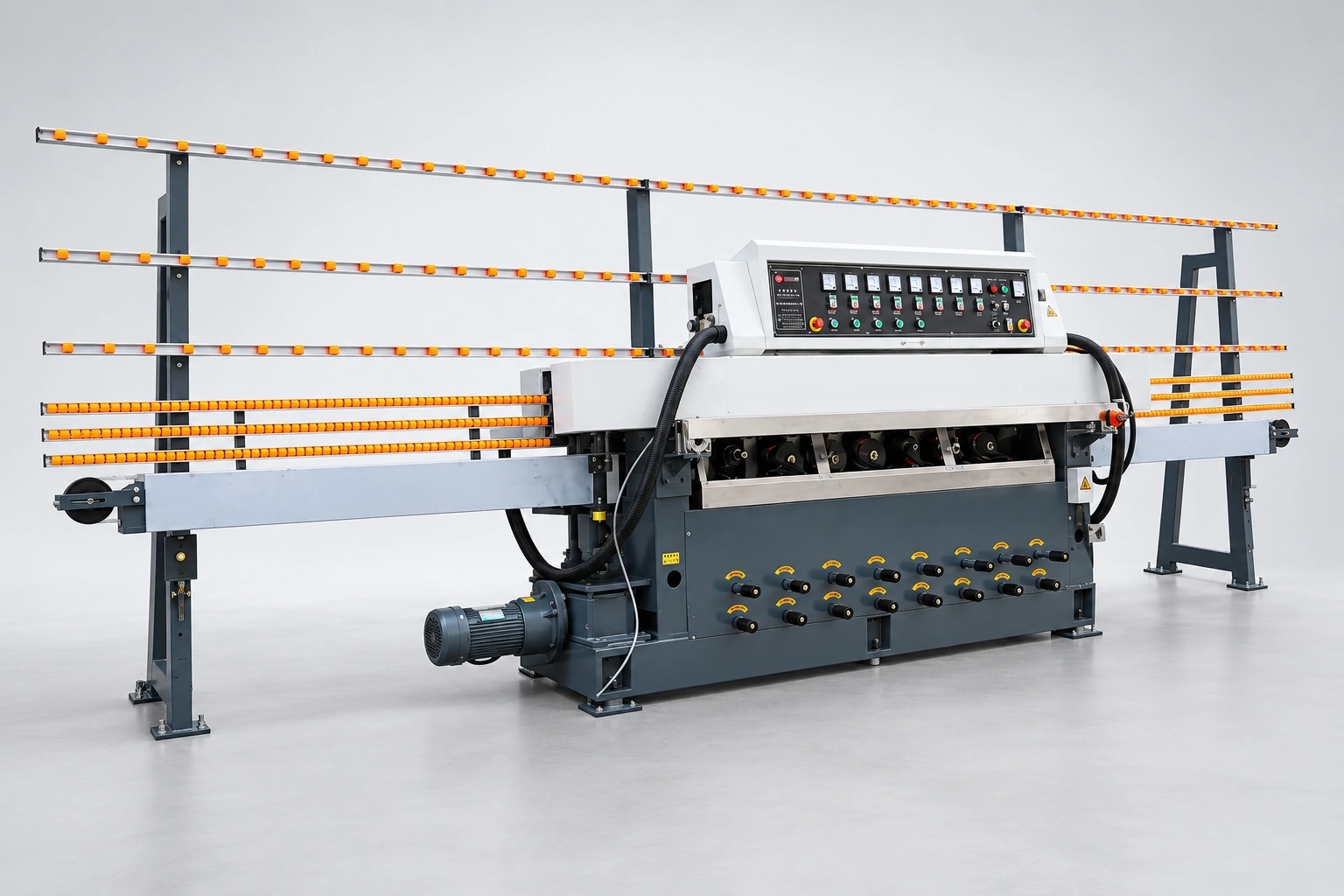
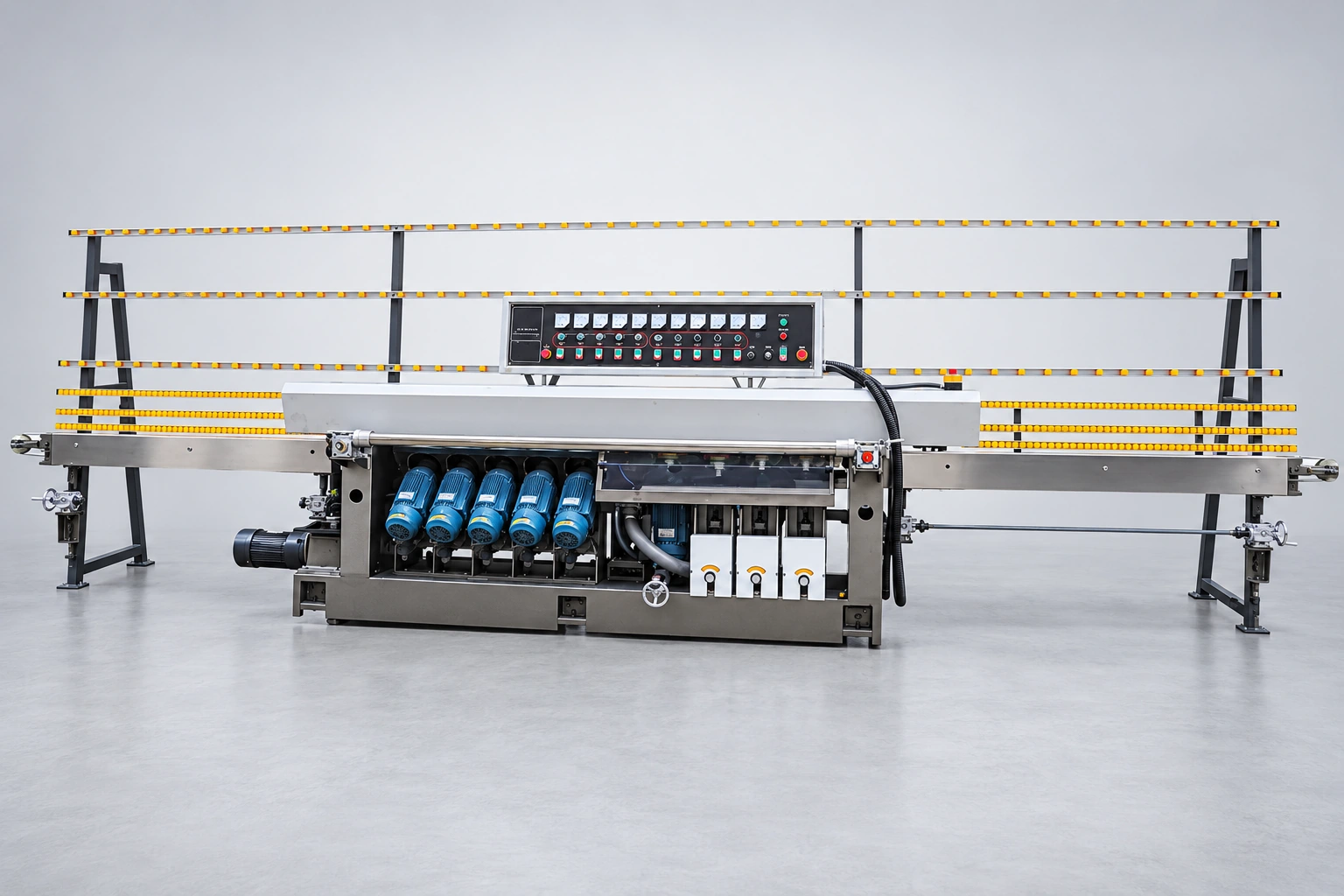
Bullnose profiling and edge polishing, configured around your material, panel dimensions, edge profiles and production requirements.
01 / Machine configuration
Reference configuration shown. Head combinations and tooling are selected for your processing requirements; the supplied setup is confirmed with your quotation.
02 / Machine processes
Processes illustrated for this reference arrangement. The required wheels, head sequence and settings are specified for the selected material and finish.
A stepped recess along the slab edge.
Parallel grooves for stair and tread details.
A mitred cut for corner joints.
A polished bevel along the edge.
A rounded transition from the top surface to the edge.
A fully rounded edge profile.
A small rounded finish along the slab edge.
A flat, polished edge face.
A groove cut into the side of the slab.
A sloping transition into a rounded edge.
A decorative profile with successive rounded steps.
A decorative edge with a concave-to-convex transition.
A shaped edge with a flowing curved transition.
Rounded edges for a built-up slab detail.
A joined edge detail with a softened outer corner.
A shaped, built-up decorative edge detail.
03 / Structure selection
Choose the structure around the edge geometry and polishing sequence. The examples below show alternatives across the customized range.
An integrated counterweight balances the swing assembly. A quick-clamp seat lock fixes the assembly for 45° polishing. Single- and double-swing layouts provide different polishing-head arrangements.
A fixed head layout uses shaped diamond wheels and resin polishing wheels to form and finish the edge. Choose the tooling and head sequence around the required profile, material and finish.
04 / Configuration choices
Specify head lifting, guide adjustment, panel hold-down and wheel changing to suit your panel sizes and setup routine. These are configuration choices, rather than equipment supplied on every machine.
05 / Custom processing range
These are selectable processes across the bullnose machine range. Share an edge drawing or sample to define the required wheels and head combination; one machine is not supplied with every illustrated function.
A stepped recess along the slab edge.
Parallel grooves for stair and tread details.
A mitred cut for corner joints.
A polished bevel along the edge.
A rounded transition from the top surface to the edge.
A fully rounded edge profile.
A small rounded finish along the slab edge.
A flat, polished edge face.
A groove cut into the side of the slab.
A sloping transition into a rounded edge.
A decorative profile with successive rounded steps.
A decorative edge with a concave-to-convex transition.
A shaped edge with a flowing curved transition.
Rounded edges for a built-up slab detail.
A joined edge detail with a softened outer corner.
A shaped, built-up decorative edge detail.
Profile illustrations show edge geometry. Final dimensions and finish are defined by the project drawing, tooling and sample.
06 / Applications
07 / Questions
Send the material, panel width and thickness, drawings or samples of the required edge profiles, target finish and planned production volume. These determine the head sequence, tooling, support and pressure-roller arrangement.
Start with the required profiles and polishing process. A swing assembly uses a counterweighted moving head arrangement; a non-swing layout uses shaped wheels in a fixed sequence. Review the actual materials and sample edges before selecting the layout.
The profile library shows choices across the customized range. The first three sections describe the reference setup on this page. Final functions, head quantities, tooling and technical data are confirmed in the project configuration and quotation.
Related machine news
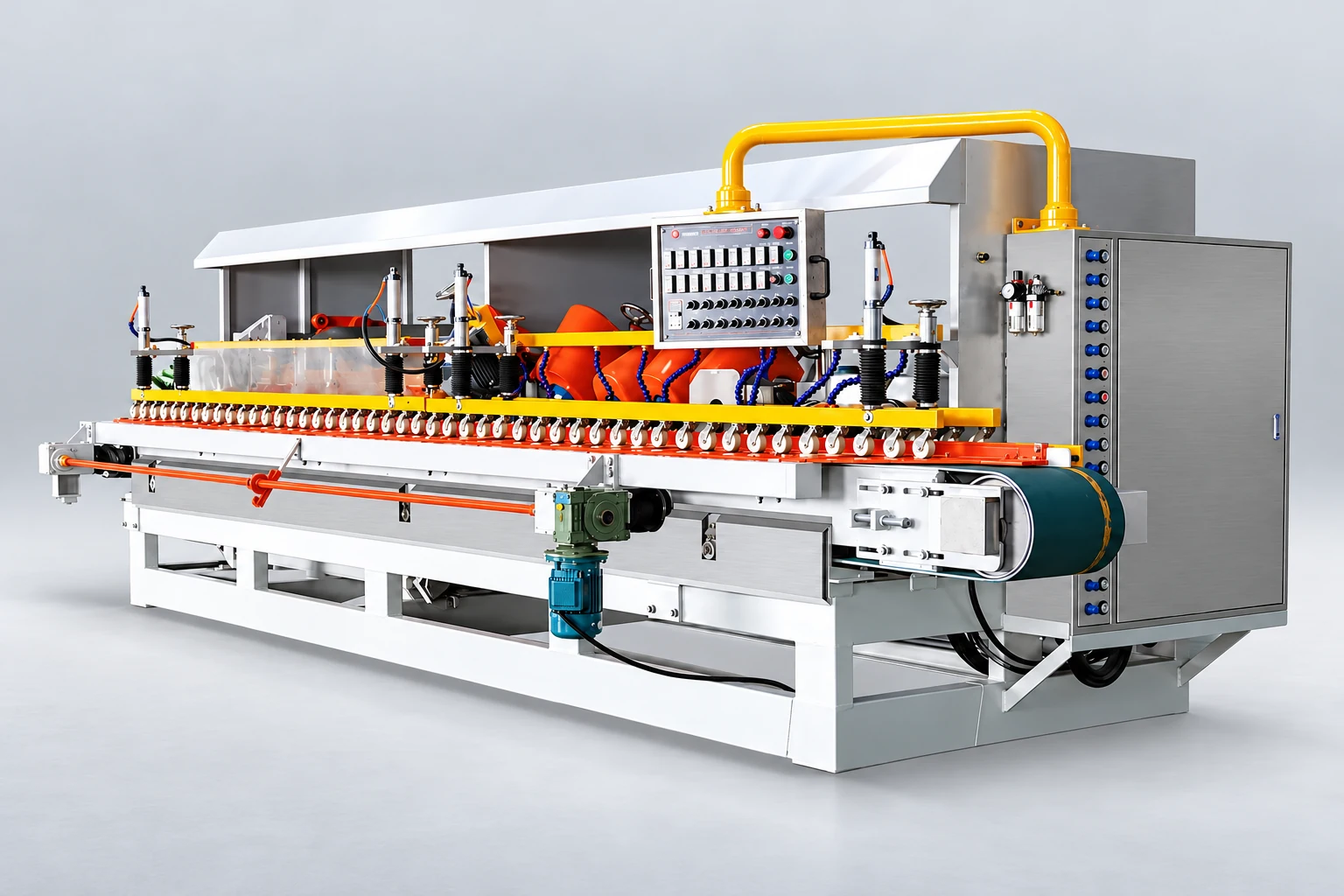
Choosing the right Tile Bullnose Machine is crucial for tile fabricators, countertop manufacturers, and workshop owners looking to achieve professional, smooth edges on ceramic,…
Read article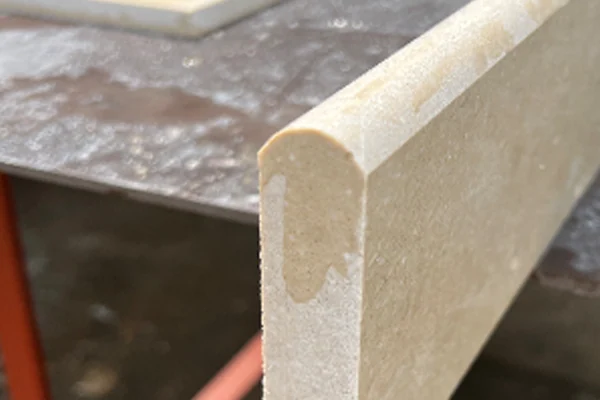
Polishing the edges of stone surfaces is a crucial step in stone fabrication, especially when dealing with curved or irregular shapes. A standard edge polishing machine may not always…
Read article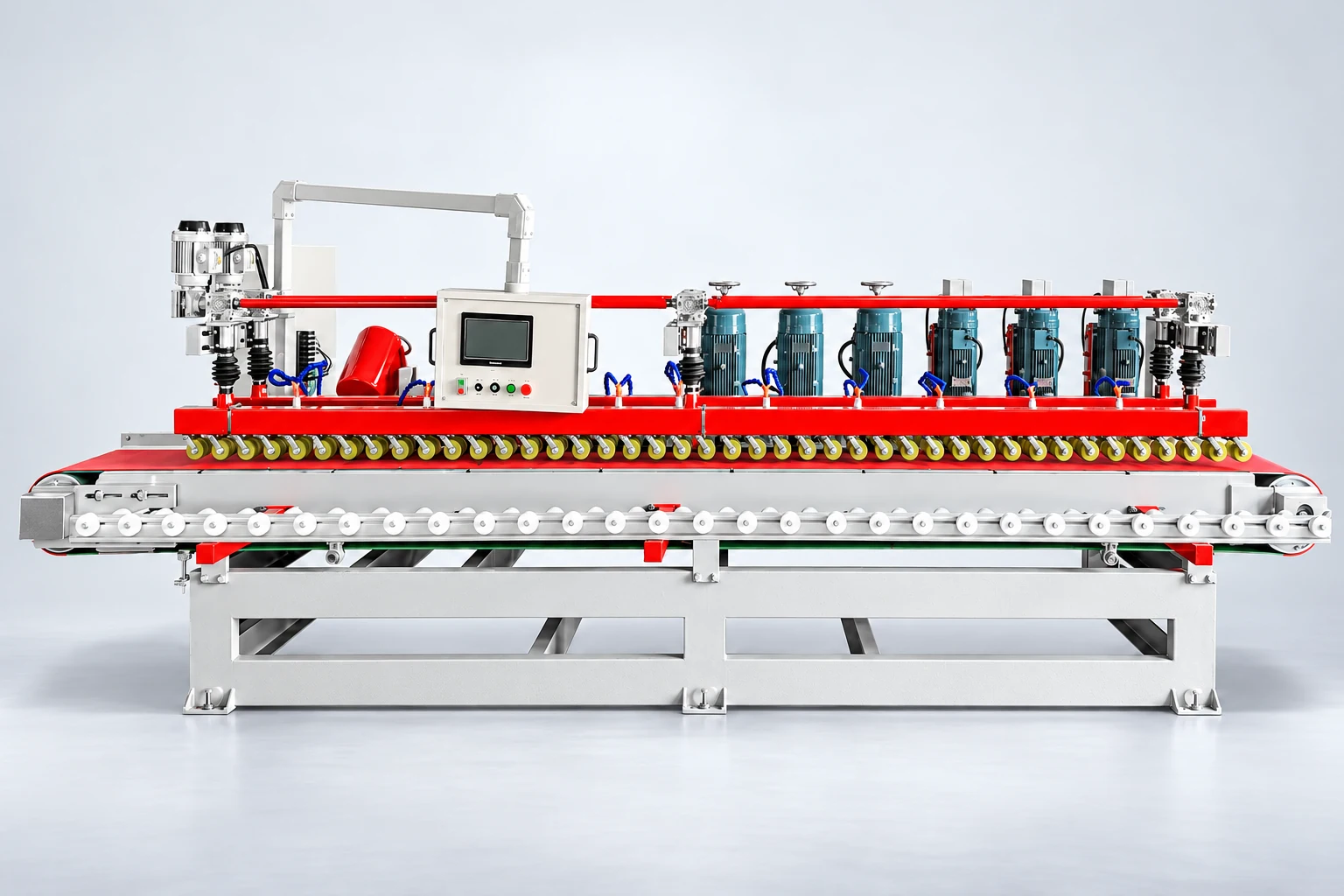
In the stone fabrication and countertop industry, the finishing process is just as important as cutting. A countertop edge polisher (also called an edge polisher ) ensures smooth,…
Read article
Talk to HoYun
Tell us what you make. Include the material, workpiece dimensions, required processes and target output. Add the model if you have a machine in mind.
Explore all machines